Your Coursework,
Searchable.
Upload class slides, textbook PDFs, and syllabus notes. Query your second brain with exact-page citation highlights, and build flashcards dynamically.
onboard with your syllabus →
What did the professor say about the self-attention mechanism in Lecture 4?
According to Lecture 4 (slide 14), the self-attention mechanism allows the model to associate each individual word in the input sequence with all other words. This solves the long-term dependency problem in sequential data processing without needing recurrent layers.
How Recall indexes your coursework
1. Upload Documents
Drag and drop slides, textbooks, and syllabus notes. We secure them on Supabase Storage with signed-URL authorization.
2. Processing Workers
Celery workers run extraction jobs. Layout-aware parsers isolate charts, math formulas, and lists before vector embedding.
3. Hybrid Query
Retrieve semantically matched chunks using hybrid keyword search. Stream answers directly inline with citations.
Layout-aware extraction.
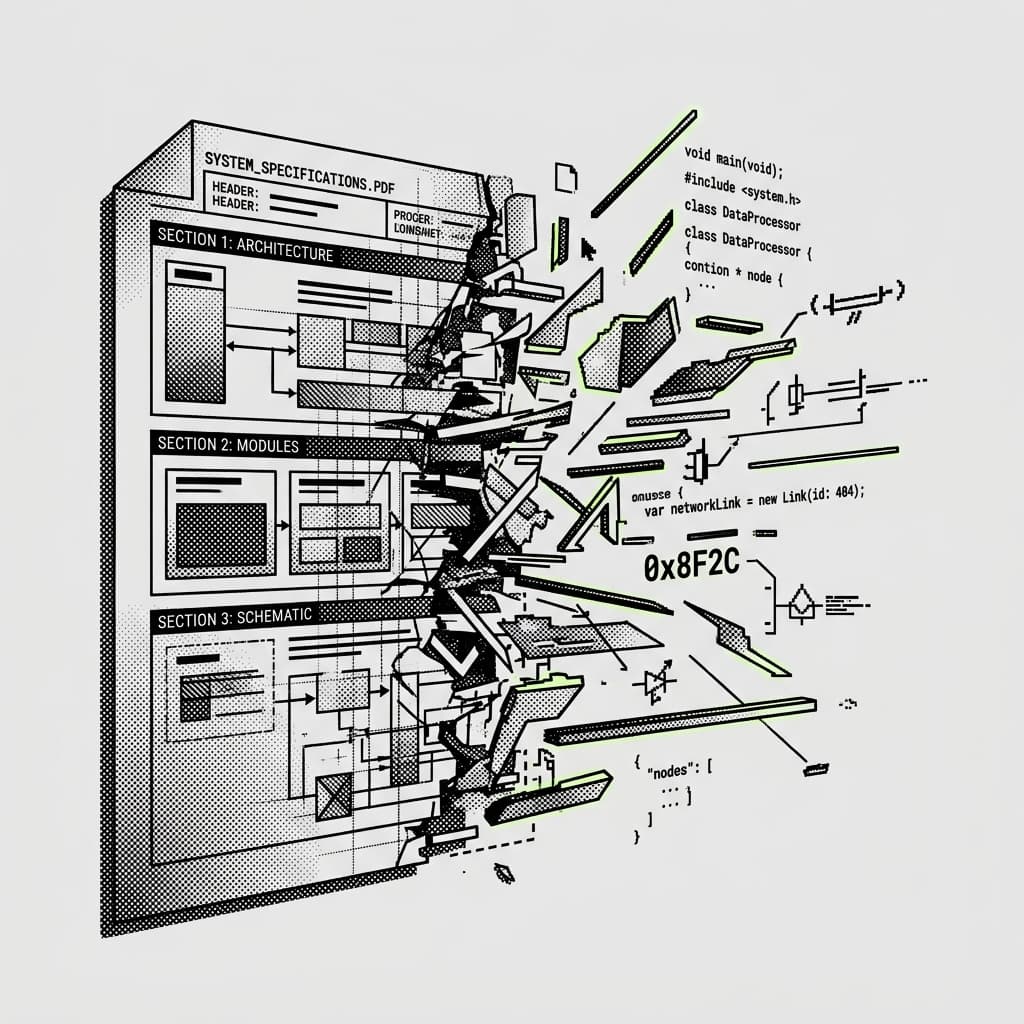
Standard text extraction tools fail when handling complex coursework materials. Textbooks have sidebars, research papers use double-column layouts, and slides contain overlapping diagrams.
Recall reconstructs documents as a structured layout tree before chunking. Math formulas are isolated, tables are mapped to markdown grids, and text is read in reading-order rather than layout position.
Why do we scale the dot product of Query and Key by 1/√d_k in self-attention?
Spaced repetition.
Passively reading textbook highlights does not lead to long-term memory. Recall automatically converts your lecture materials into study decks of flashcards and dynamic multiple-choice question sets.
The platform monitors your study session history and Schedules cards using a modified SM-2 memory decay model. Review sessions are calculated exactly when memory retention is about to fall below 80%.
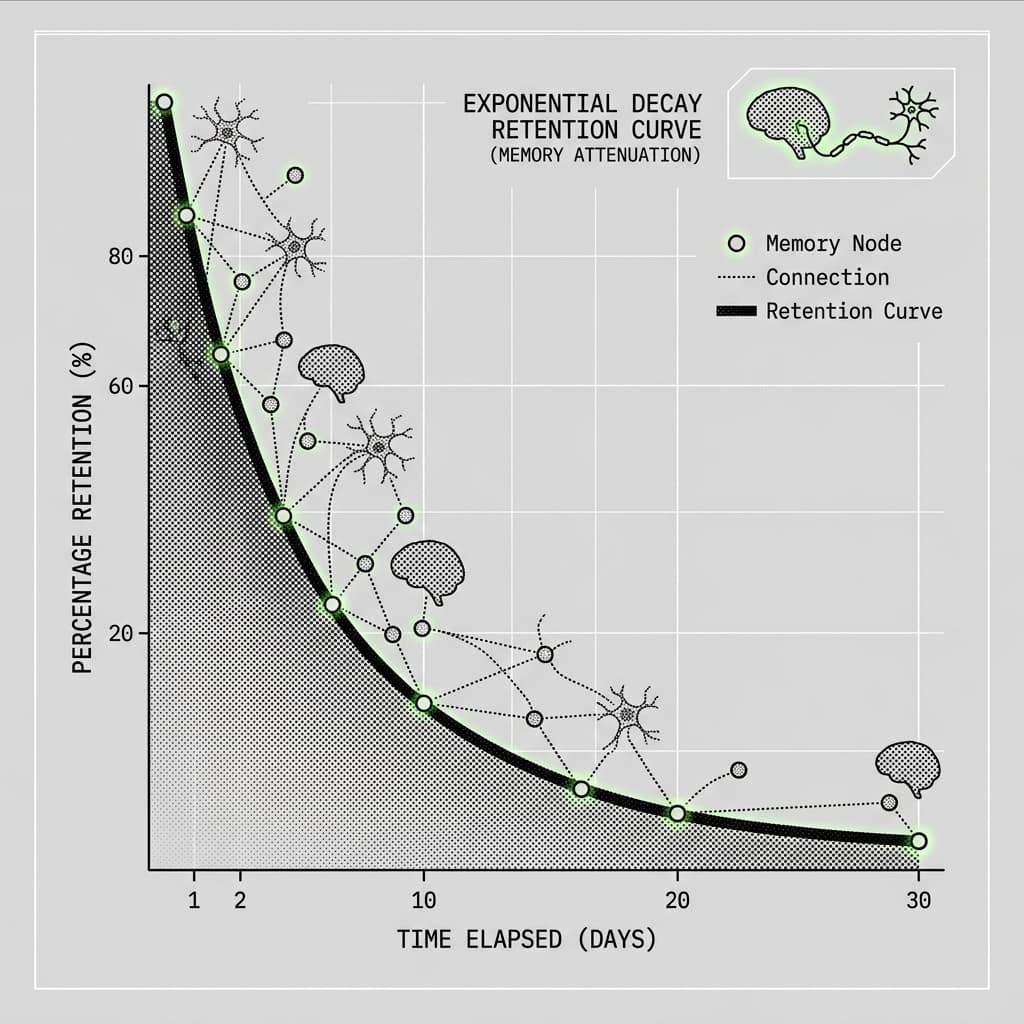
Adapts spacing intervals (I = I * EF) based on user response accuracy scores.
Interactive subject networks.
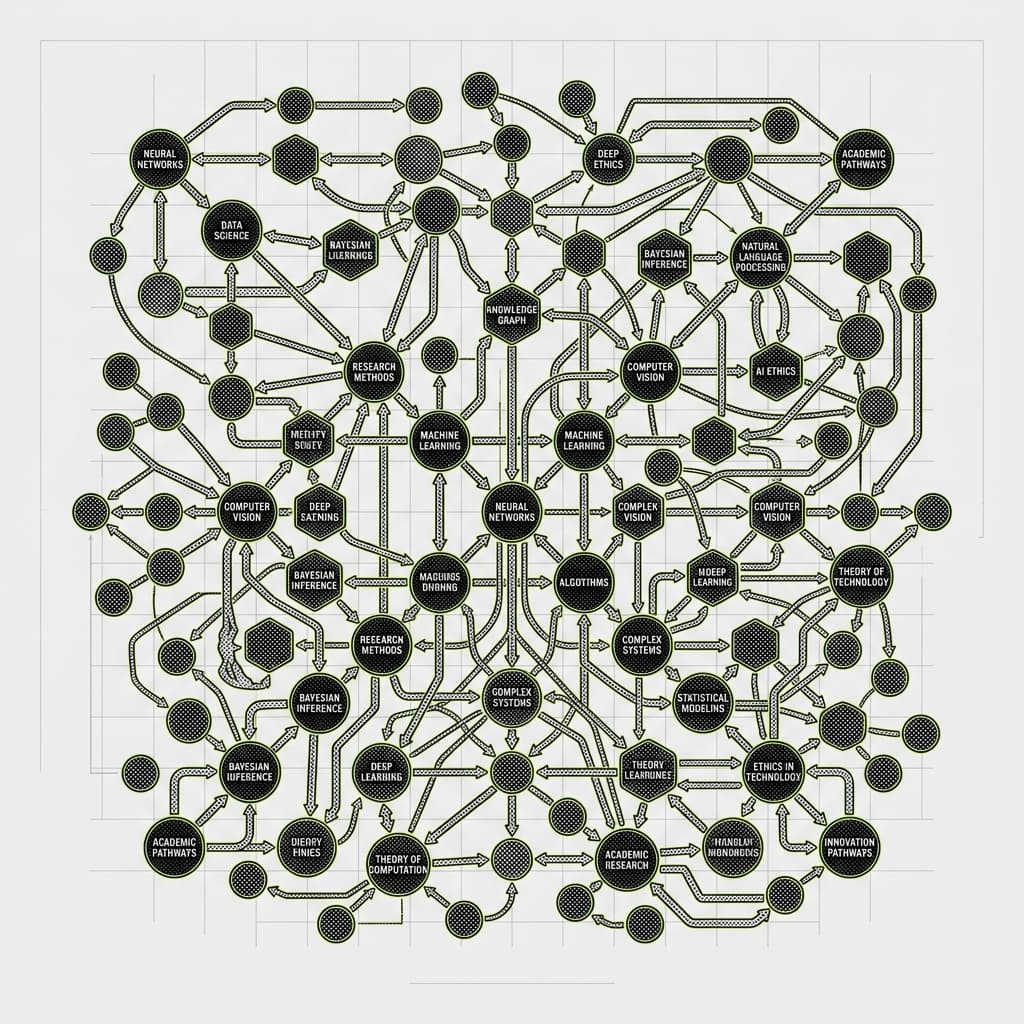
Recall clusters related lecture notes, slides, and homework sets into a visual concept graph. Instead of viewing files as standalone entities, you see how they connect to build the course curriculum.
Nodes are color-graded based on active recall quiz success rates. A red node highlights a concept with failing flashcard history, indicating exactly where to focus study sessions before the exam.
[ TECHNICAL SPECIFICATIONS ]
A study assistant built for complexity.
Layout-Aware RAG
Extracts charts, math equations, and slides instead of indexing raw unformatted flat text.
Spaced Repetition
Generates flashcards and quizzes, tracking recall cycles using the SM-2 scheduler algorithm.
ELI5 Explanation
Instantly scales the complexity of answers up and down using a dynamic explain range slider.
Automatic Graphs
Connects subject concepts into structured visual graphs to expose specific study gaps.
Adjust explanations to fit your memory gaps.
Drag the range slider below to see how Recall adapts answer complexities on the fly.
Self-attention operates by mapping a query vector against a set of key vectors to compute similarity weights, which are then applied to value vectors: Attention(Q, K, V) = softmax(QKᵀ / √d_k)V. This allows token representations to be updated dynamically based on global sequence context, facilitating parallelized compute.
Recall is building the study validation layer
Get started today to ingest notes and query your coursework.
Create account →